
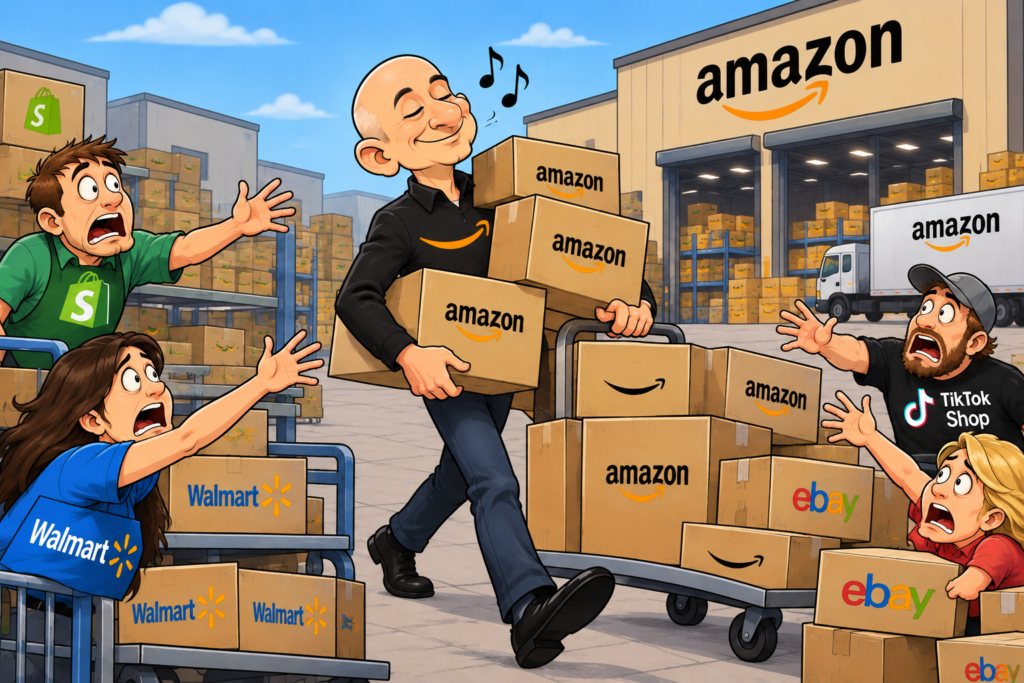
Amazon recently announced plans to expand Seller Central to include sales activity from Shopify, Walmart, eBay, and TikTok Shop. That deserves some attention. Amazon is no longer interested in managing just the products sold on its own marketplace. It wants…Continue readingAmazon Wants to Manage Your Entire Ecommerce Business. But Can It Manage Your Accounting?

Amazon’s holiday peak fulfillment fees begin October 15 and continue through January 14, 2027. I spent some time looking through the changes, and the first thing worth pointing out is that there isn’t one holiday surcharge that applies equally to…Continue readingAmazon’s Holiday Fees Start October 15. Here’s What That Actually Means.
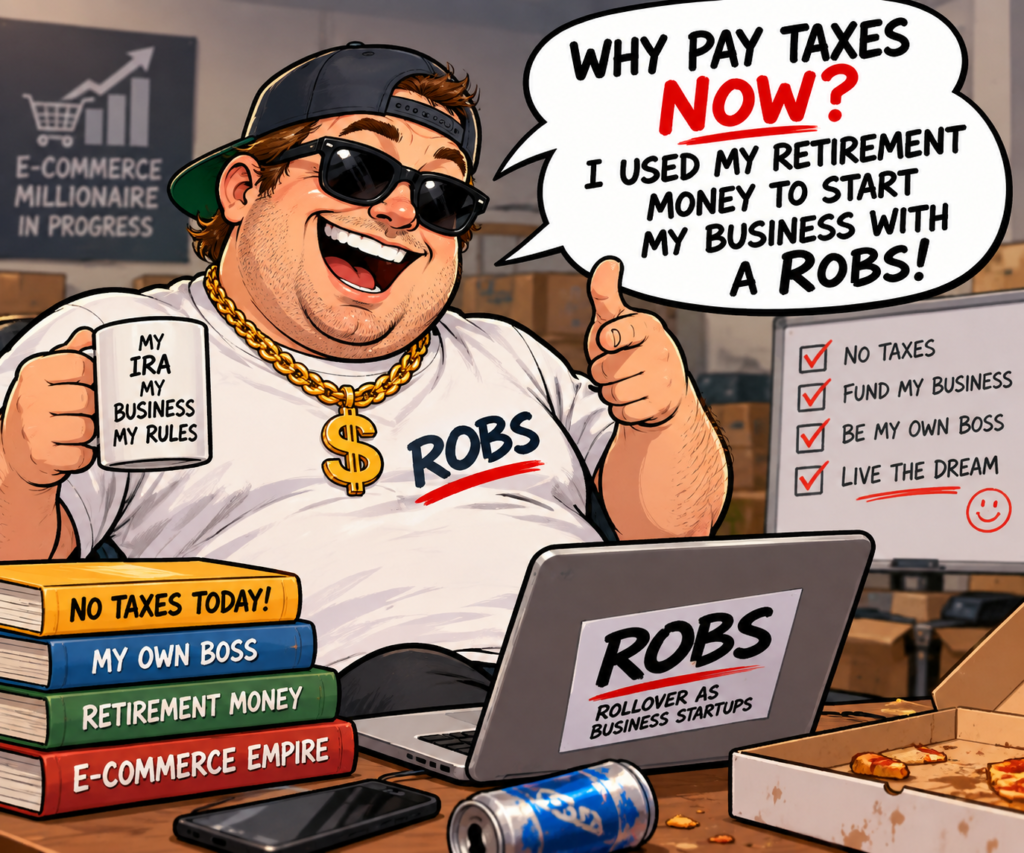
I understand why a ROBS sounds attractive. You have $150,000 sitting in an IRA or 401(k). You want to start or buy a business. If you simply withdraw the money, you may owe income tax plus a 10% early-distribution penalty.…Continue readingDo the Math Before You Set Up a ROBS for Your Ecommerce Start Up
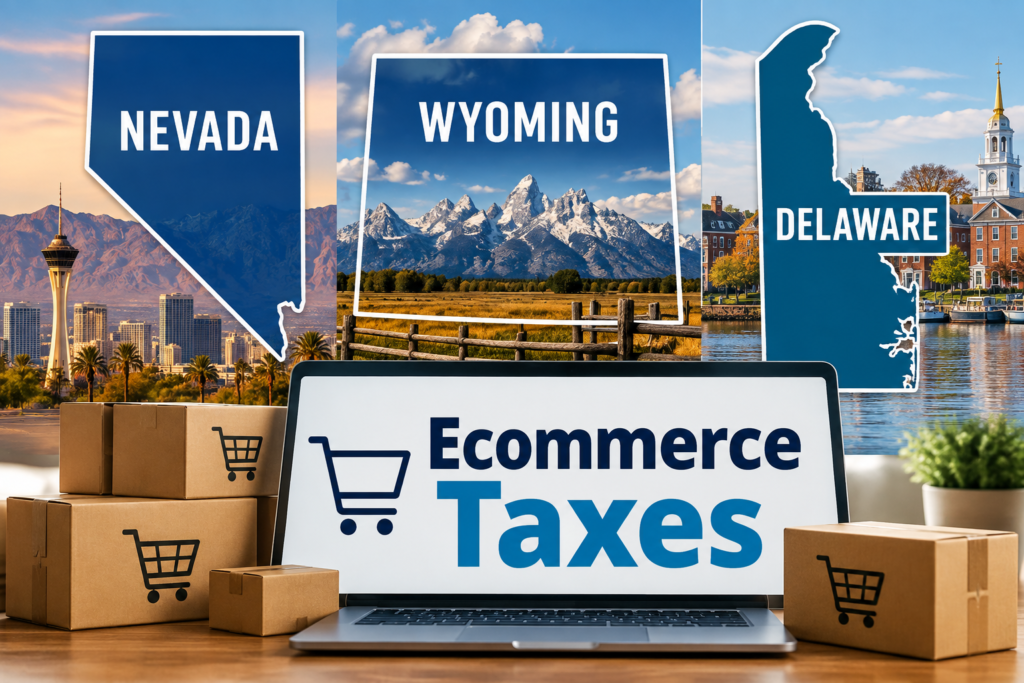
There are good reasons to organize a business in Delaware, Nevada or Wyoming. Delaware has a long history of established corporate law and is often preferred by investors. Wyoming has privacy and asset-protection advantages that can make it attractive to…Continue readingOrganizing Your Ecommerce Business in Delaware, Nevada or Wyoming Doesn’t Save You Taxes

When you set up QuickBooks Online, one of the first things you need is a Chart of Accounts. QuickBooks can give you a starting point, and for some ecommerce businesses that may be perfectly adequate. The question is whether it…Continue readingWhich QuickBooks Online Chart of Accounts Should I Choose — or Should I Build My Own?

Little did I know that a toy train salesman would put me at the forefront of what would eventually become the ecommerce industry. I began working with him in 1996. He made his living buying and selling antique toy trains…Continue readingOur First Ecommerce Client Sold Antique Toy Trains on eBay

Ecommerce gross margin should be one of the most useful numbers in your financial statements. It tells you how much money is left after accounting for the cost of the products you sold. The problem is that the number is…Continue readingEcommerce Gross Margin: Why Your Accounting May Be Giving You the Wrong Number

Cash basis vs. accrual accounting for ecommerce businesses sounds like an accounting question. It really isn’t. The more important question is whether your financial statements give you the information you need to run your business. An ecommerce business may use…Continue readingCash Basis vs. Accrual Accounting for Ecommerce Businesses

You sell a $100 gift card on your Shopify store. The customer pays you $100, and the money eventually reaches your bank account. Did you just make a $100 sale? Not yet. You have the cash, but you also owe…Continue readingEcommerce Gift Card Accounting: When Cash Is Not Revenue
Ecommerce returns accounting is more complicated than simply reversing a sale. A customer buys a product for $100 and then returns it. You give them their $100 back. It would be easy to assume you are right back where you…Continue readingEcommerce Returns and Refunds: Why Your Sales Numbers Can Be Misleading